
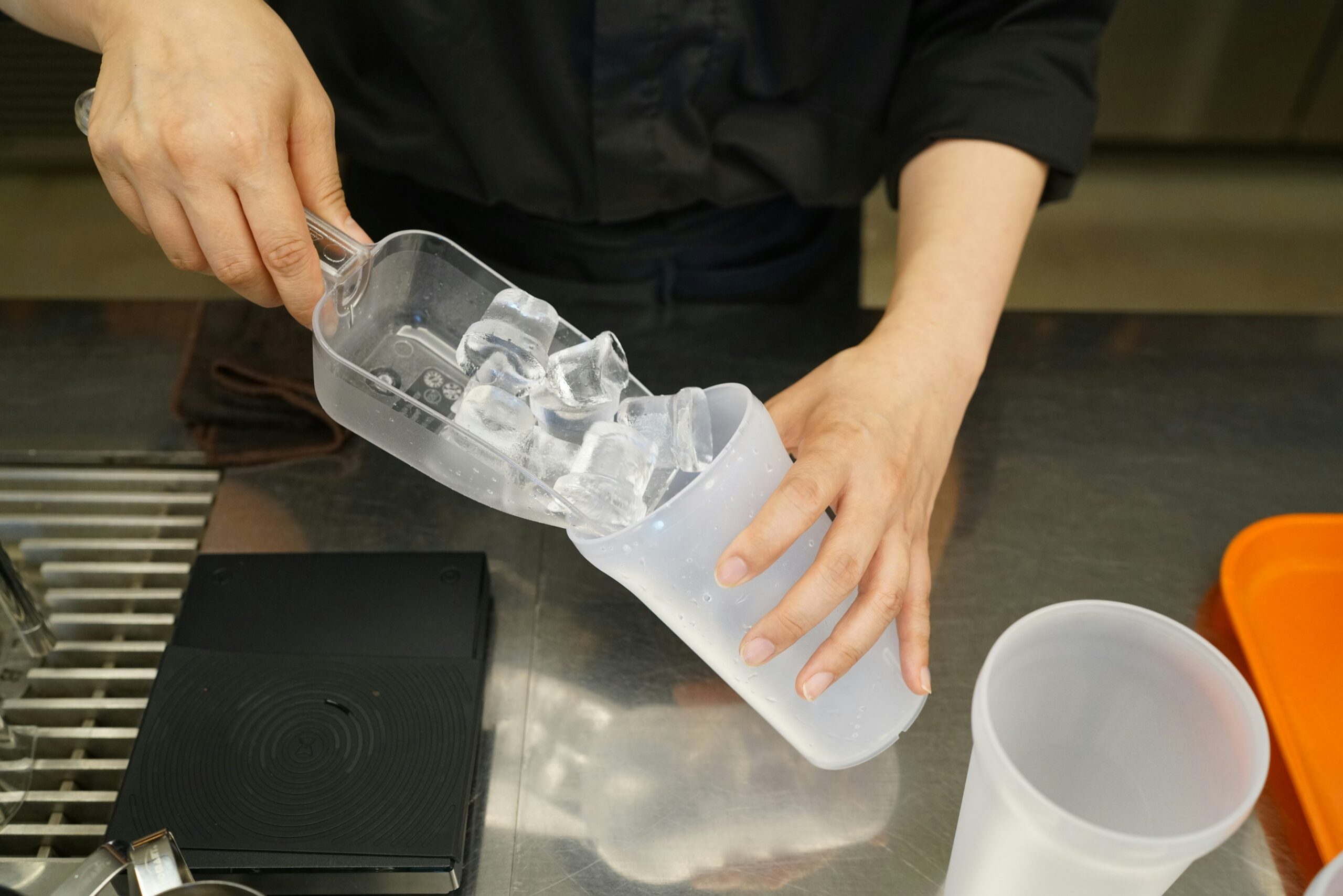
An ice maker does what it says. It makes ice. Nearly all food service establishments need one, but what type you need depends on your specific kitchen setup, menu, and customer needs. Don’t start with the equipment itself; start with the ice. Determining how much ice you will need will help guide you.
Know Your Needs
Start with the basics: what are you actually using ice for? Are you a kitchen that primarily uses ice for food storage and cooling, or a bar that serves mixed drinks all night? How many covers or tables are you averaging per day? Also, review your menu and offerings. Volume changes significantly depending on whether you offer full dinner-and-bar service or just breakfast and lunch.
Think beyond one average day. If your busiest shifts are dramatically busier than the rest of the week, your ice needs should be prepared to handle that peak, not your daily average. A larger storage bin can help bridge the gap by building up a reserve of ice during slower periods, so it is ready when you need it most.
A good rule of thumb is to have a machine that can produce 20% more ice than your usually need to account for peak demands and special events.
Machine Style
There are three main styles to consider based on your kitchen setup and volume.
- Modular units, sometimes called ice machine heads, are built for high output. They sit atop a separate storage bin, beverage dispenser, or ice dispenser and are the right choice for operations that consistently use large amounts of ice.
- Undercounter units combine the ice maker and storage bin into a single compact unit that fits beneath a standard countertop. These work well for bars, smaller kitchens, or anywhere space is at a premium.
- Countertop dispenser units have the smallest footprint and dispense ice directly into a cup. They are most common in self-service cafeterias and healthcare settings.
Production capacity and storage capacity are two separate decisions. A high-volume kitchen may need a machine that produces ice continuously, not a large bin. In contrast, a lower-volume operation with big weekend spikes may benefit from building up a reserve of ice throughout the week.
Condenser Type
The condenser is how your machine releases heat, and the type you choose affects your utility costs, kitchen temperature, and noise level.
- Air-cooled units are the most common and the most cost-effective to operate. They use fans to cool the system but require adequate clearance space and will add heat and noise to your kitchen.
- Water-cooled units run quietly and handle hot kitchen environments well, but they use a continuous water flow, which can significantly increase utility costs. Some municipalities restrict or ban them because of water-usage regulations, so check local codes before considering this option.
- Remote-cooled units move the condenser outside or to the roof, which keeps your kitchen cooler and quieter. The tradeoff is a higher upfront installation cost.
Ice Shape
Ice shape is not just a preference. It affects how drinks taste, how quickly ice melts, and how far your supply stretches during a rush.
- Full and half cubes are the standard for most restaurant drink service. They melt slowly, fill glasses efficiently, and displace enough liquid to help manage beverage costs over time.
- Nugget ice, sometimes called pellet ice, is soft and chewable. It has become especially popular at quick-service restaurants and in blended drinks. If you have ever noticed customers commenting on a restaurant’s ice, they’re usually talking about nugget ice.
- Flake ice is soft and moldable, making it the right choice for seafood displays, salad bars, and packing food for transport, but not for beverage service.
One practical note: We all know the places with the “good ice”. So if your customers are already used to a certain type of ice, switching can be more noticeable than you might expect.
Utilities and Infrastructure
Before you commit to a machine, make sure your kitchen can support it.
- Electrical Capacity: Larger commercial ice makers typically require a dedicated 208- to 230-volt circuit rather than a standard outlet.
- Water Filtration: A dedicated filter prevents scale buildup inside the machine, extends its lifespan, and keeps your ice tasting clean. Scale buildup shortens the machine’s life and affects ice quality.
- Drainage: Ice storage bins constantly lose ice to melting, and that water needs somewhere to go. You will need a floor drain within a few feet of the machine.
Tri-State Can Help
Choosing the right ice maker involves more variables than most operators expect, and the wrong call shows up fast during a busy service. The team at Tri-State Restaurant Equipment has helped kitchens of all sizes, from neighborhood diners to large-scale food service operations, find the right fit.